Understanding PSI and Flow Rate Before You Hire a Cleaner
When hiring a pressure cleaner in Lismore, it is tempting to assume the machine with the highest pressure delivers the best result. However, pressure and water flow do different jobs, and both need to suit the surface. Understanding these measurements helps you compare quotes and ask better questions before work starts.
What Does PSI Mean?
PSI stands for pounds per square inch, a measurement of water pressure. Pressure helps loosen dirt and surface contamination, but excessive pressure can strip paint, damage timber, erode mortar and mark concrete.

The pressure that reaches a surface also depends on the nozzle, spray angle and distance from the material. A machine’s advertised maximum PSI does not tell you how safely or effectively the operator uses it.
Why Flow Rate Matters
Flow rate describes the volume of water a machine delivers, usually measured in litres per minute (L/min) in Australia. While pressure helps dislodge grime, flow helps carry loosened material away.
For example, two machines rated at 3,000 PSI can perform differently if one delivers 8 L/min and the other delivers 15 L/min. The higher-flow machine generally offers greater rinsing capacity, provided the water supply can support it. However, this does not automatically make it suitable for delicate surfaces or guarantee lower total water use.
Matching the Method to Your Property
Concrete Driveways and Paths
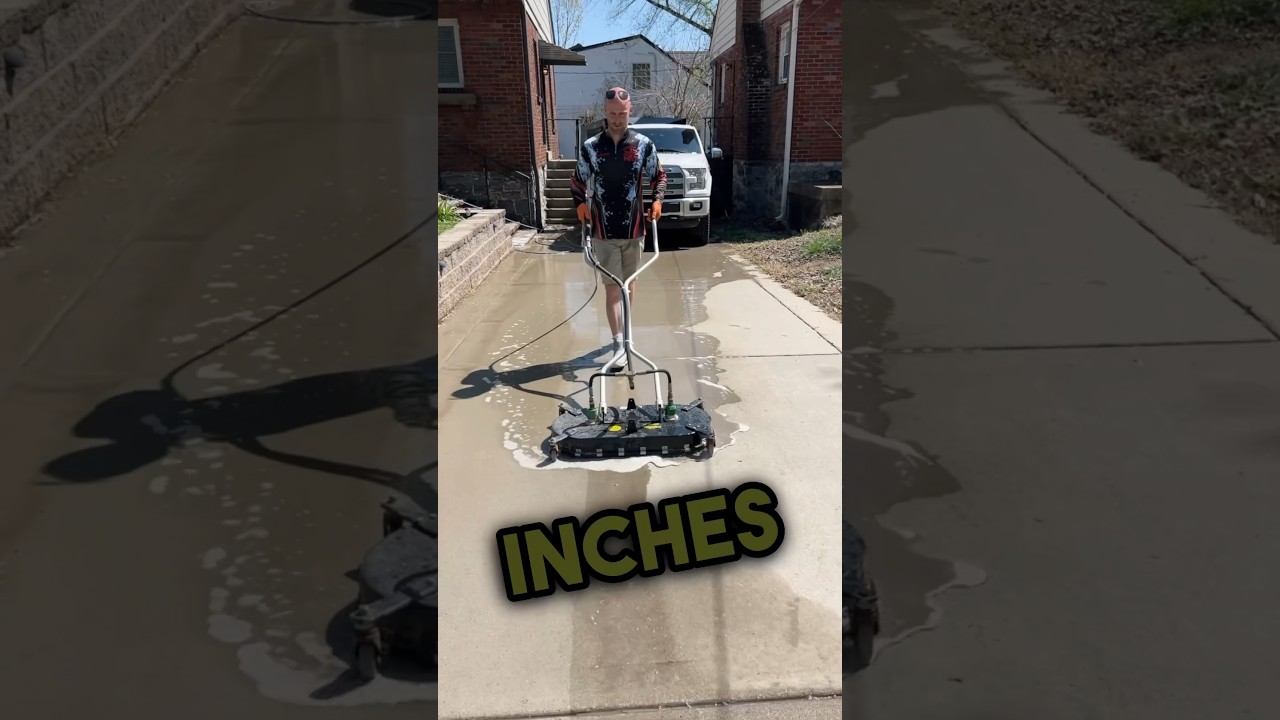
Sound concrete often tolerates more pressure than painted or timber surfaces, but its age, condition, finish and any sealer matter. Ask whether the cleaner uses a suitable surface-cleaning attachment and checks a small area first. New, deteriorating or decorative concrete needs particular care.
House Exteriors, Timber and Roofing
Painted cladding, weatherboards, decks and roof materials may need lower pressure, suitable cleaning products and controlled rinsing. Soft washing relies more on cleaning chemistry than force, but products must still be compatible with the surface and used according to their labels.
Suspected asbestos-containing materials must not be pressure cleaned. If https://pressurecleaninglismore.com.au/driveway-cleaning/ older roofing or cladding raises concerns, stop and seek advice from a qualified asbestos professional before arranging cleaning.

Questions to Ask a Lismore Pressure Cleaner
- What pressure and flow rate will you use on each surface, and why?
- Will you inspect for loose paint, damaged joints, failing sealers and water-entry points?
- Does my water supply provide enough flow for your equipment?
- How will you protect plants, electrical fittings and neighbouring property?
- How will you contain or manage wastewater so sediment and cleaning chemicals do not enter stormwater drains?
- Does the quote include pretreatment, rinsing and any required wastewater recovery?
Consider Lismore’s Conditions
Lismore’s humid conditions and regular rainfall can encourage algae and other biological growth on shaded paths and exterior surfaces. Removing visible growth is only part of the job: drainage, shade and persistent moisture influence how quickly it returns.
Before booking, check any current water restrictions with the relevant local water authority. Discuss runoff management, particularly where a driveway slopes towards the street or a stormwater inlet.
Choose the Right Approach, Not the Biggest Number
A useful quote explains the cleaning method, surface precautions and expected outcome—not just the machine’s maximum PSI. Choose a cleaner who balances pressure, flow, cleaning products and technique to protect your property while achieving a thorough clean.
Lismore Pressure Cleaning
(02) 6617 2969